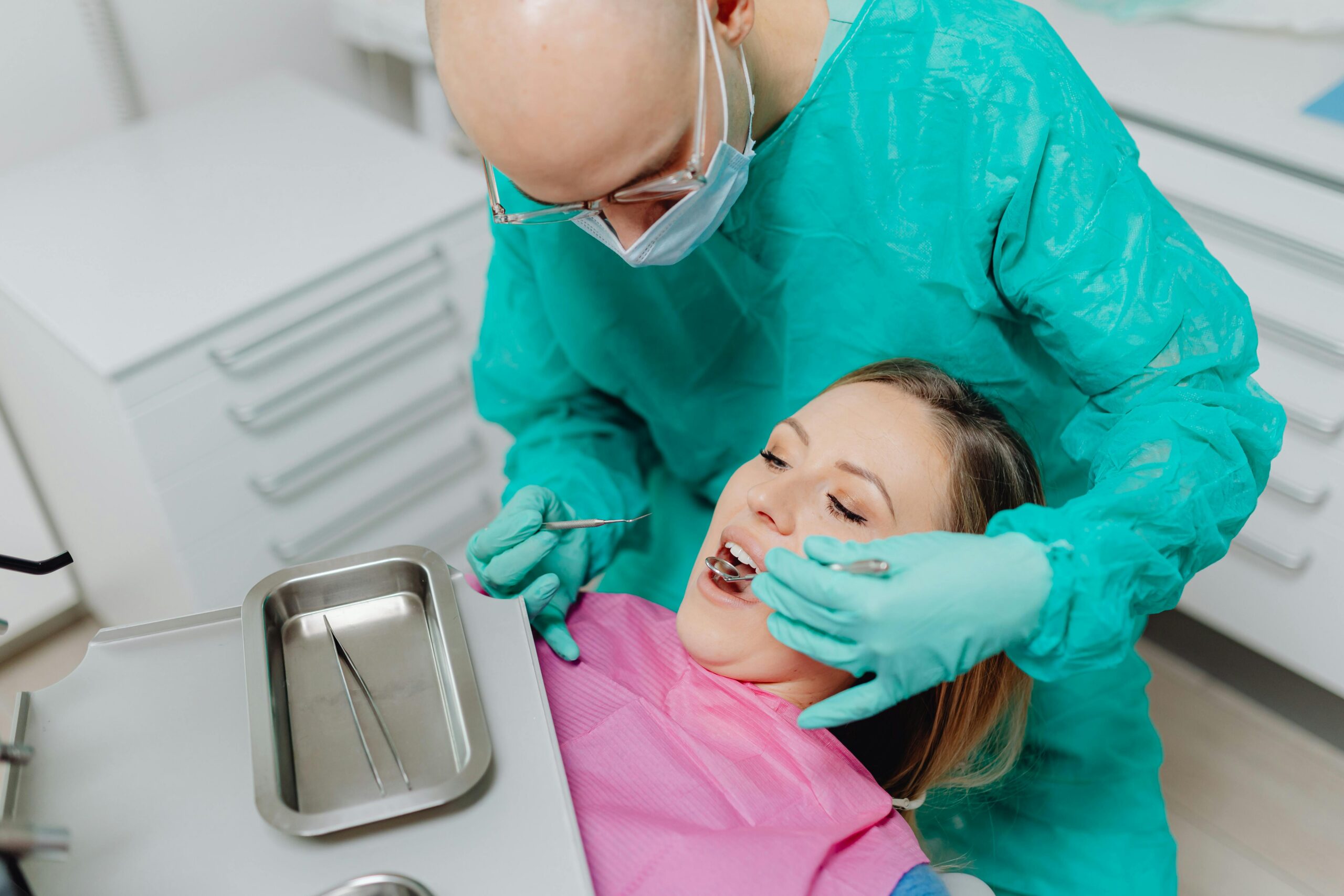
In the complex calculus of personal health and financial planning, one line item is consistently undervalued: the biannual dental checkup. For decades, many have viewed dentistry as a reactive field—a necessary expense only when pain strikes. However, a paradigm shift is underway, accelerated by sophisticated longitudinal health data and a deeper understanding of the oral-systemic connection. In 2026, viewing preventative dental care as a discretionary expense is not just a health misstep; it’s a profound financial miscalculation. The evidence is now unequivocal: a strategic, proactive investment in oral health is one of the highest-yield capital allocations an individual can make for their long-term well-being and wealth preservation.
The Oral-Systemic Link: More Than Just a Pretty Smile
The mouth is not an isolated ecosystem. It is the primary gateway to the body, and the state of its health sends ripples—or tidal waves—throughout our entire physiological landscape. Modern research has moved far beyond cavity prevention, cementing direct correlations between periodontal (gum) disease and a host of systemic conditions.
Chronic inflammation from advanced gum disease, a condition often silent until its later stages, is now recognized as a significant contributor to cardiovascular disease, complicating diabetes management, and even correlating with adverse pregnancy outcomes and cognitive decline. “The bacteria from periodontal pockets don’t stay put,” explains Dr. Anya Sharma, a periodontist and researcher at the Global Oral Health Institute. “They enter the bloodstream, triggering a systemic inflammatory response. In 2026, we’re not just treating gums; we’re managing a key inflammatory source that impacts the entire body’s metabolic and immune balance.” This transforms the dental hygienist’s cleaning from a cosmetic procedure into a critical, non-invasive anti-inflammatory therapy.
What Are the Most Effective Preventative Dental Procedures?
Preventative dentistry is a tiered defense system. At its foundation are the non-negotiable, routine interventions covered by most dental insurance PPO plans.
- Comprehensive Examinations & Digital Diagnostics: Modern exams leverage intraoral scanners and AI-assisted radiograph analysis to detect microfractures, early decay, and bone loss with unprecedented precision, often years before symptoms arise.
- Professional Prophylaxis (Cleanings): This is the cornerstone. It removes calcified plaque (tartar) that harbors pathogenic bacteria, a task impossible to achieve with at-home brushing alone.
- Fluoride Treatments & Sealants: Far from being just for children, high-concentration fluoride varnishes remineralize early enamel lesions in adults, reversing the earliest stages of decay. Sealants on molars provide a physical barrier against bacteria.
For higher-risk patients, the protocol escalates. Periodontal maintenance therapy, more frequent than standard cleanings, is essential for managing established gum disease. Oral cancer screenings using advanced fluorescence technology are a vital, life-saving component of every adult exam.
The Financial Calculus: Prevention vs. Catastrophic Repair
The economic argument for prevention is stark when laid bare. Consider a common dental insurance plan in 2026 with an annual maximum benefit of $1,500. A year of preventative care—two exams, two cleanings, necessary X-rays—typically consumes a fraction of this, often with 100% coverage.
Now, contrast this with the cost of neglect. A single untreated cavity evolves. It may require a moderate filling ($150-$300), but left unchecked, it can progress to a root canal therapy and crown—a procedure easily exceeding $1,800. If that infection destroys too much bone, the next step is tooth extraction ($200-$400) followed by a dental implant and crown to restore function, a total investment frequently soaring past $4,000. One neglected tooth can exhaust two years of insurance benefits and demand significant out-of-pocket capital allocation.
“Patients often see the $150 cleaning as an expense,” notes Michael Torres, a certified financial planner specializing in healthcare finance. “But they fail to see the $4,000 implant as the liability it truly is. In asset management terms, preventative care is a low-cost hedge against a high-probability, high-severity financial risk. It’s one of the most predictable ways to control future healthcare expenditure.”
How Can I Maximize My Dental Insurance Benefits?
Strategic utilization of your dental PPO plan is key. Most plans run on a calendar-year basis, with premiums paid regardless of use. Failing to use your allotted preventative care is akin to leaving money on the table. Schedule cleanings early in the year to establish a baseline and allow ample time to plan and phase any recommended treatment. Understand your plan’s specifics: What is your annual maximum? What is the coverage percentage for major procedures? Proactive patients use this data to create a multi-year dental health budget, smoothing out financial shocks.
The 2026 Landscape: Technology and Personalized Prevention
Preventative care has entered the era of hyper-personalization. Salivary diagnostic tests can now identify an individual’s specific bacterial profile and genetic predisposition to inflammation or decay. “We’re moving from a one-size-fits-all cleaning schedule to risk-adjusted care plans,” says Dr. Sharma. “For a patient with a high bacterial load for P. gingivalis [a key pathogen in gum disease], we might recommend periodontal therapy quarterly, not biannually. It’s precision medicine, applied orally.”
Furthermore, teledentistry platforms have matured, allowing for virtual check-ins, oral hygiene coaching, and monitoring of early concerns, increasing access and adherence for busy professionals. These tools don’t replace the in-person cleaning and exam but create a continuous care loop that enhances their effectiveness.
Building a Lifelong Strategy: Actionable Steps for 2026 and Beyond
Investing in your oral health is a lifelong strategy with immediate and compounding returns. Here is your actionable blueprint:
- Commit to the Schedule: Adhere to the recall interval recommended by your dentist based on your personal risk assessment—whether it’s every six, four, or three months.
- Elevate Your Home Care: Professional care is only half the equation. Invest in an electric toothbrush with pressure sensor technology and use interdental cleaners (floss, water flossers, interdental brushes) daily. This is your daily portfolio management.
- Leverage Your Insurance Strategically: Use your preventative benefits fully every year. If you need significant work, plan it across benefit years to maximize coverage.
- Consider a Dental Savings Plan: For those without insurance, an alternative to traditional dental insurance, an annual dental savings plan from a reputable provider can offer significant discounts on both preventative and restorative services at participating practices.
- Communicate Openly: Discuss financial concerns with your dental team. A trustworthy family dentistry practice will provide transparent treatment plans and phased options to fit your health and financial timeline.
Conclusion: The Ultimate Return on Investment
The narrative around dental care has fundamentally shifted. No longer a mere aesthetic concern or a painful inconvenience to be endured, proactive oral health management stands as a pillar of holistic wellness and astute financial planning. The data is clear: the modest, predictable capital allocated to biannual exams, professional cleanings, and quality home care tools yields an extraordinary return. It preserves your natural anatomy, mitigates systemic health risks, and provides a formidable defense against catastrophic, unforeseen expenses. In 2026, a healthy smile is more than a sign of vitality; it is the mark of a savvy individual who understands that true wealth is built on the foundation of long-term health. Your first and most valuable investment in that future is your next dental appointment.
Photo Credits
Photo by www.kaboompics.com on Pexels
- The 2026 Guide to Integrated Risk Management: Building a Cohesive Financial Safety Net – 04/03/2026
- Renovation ROI in 2026: The Data-Driven Guide to Home Improvements That Pay Off – 04/03/2026
- The True Cost of a Healthy Smile: Why Preventative Dental Care is Your Smartest Financial and Health Move in 2026 – 04/03/2026
Leave a Reply