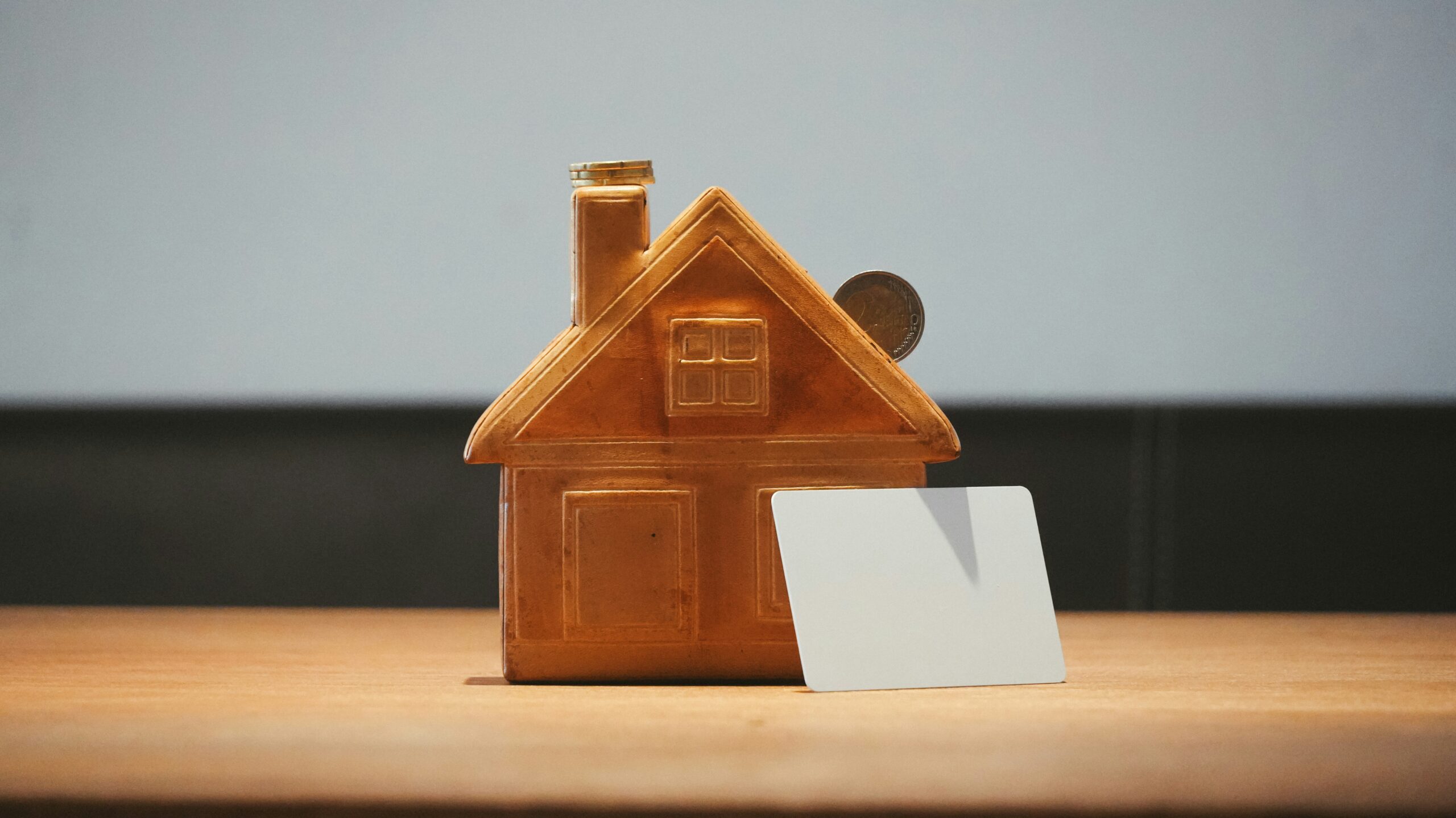
The American dream in 2026 is a complex tapestry of aspiration and obligation. For the discerning homeowner, the desire to transform a living space—whether through a chef-inspired kitchen, a spa-like primary bath, or a climate-resilient landscape—competes fiercely with non-negotiable pillars of personal well-being, chief among them, comprehensive dental care. In an era of economic nuance, where “smart spending” has evolved beyond a buzzword into a survival tactic, the central financial challenge for millions is this: how does one strategically allocate capital for significant home improvements without compromising the integrity of one’s oral health? The answer lies not in austerity, but in a sophisticated, data-informed approach to personal finance that views both domains not as expenses, but as critical investments in quality of life and long-term asset value.

The Dual Investment Thesis: Home Equity vs. Human Capital
To navigate this budgetary tightrope, one must first reframe the paradigm. A home renovation is a capital investment in a tangible asset, one that can yield returns in property valuation, energy efficiency, and daily utility. Conversely, investing in premium dental care—from routine prophylaxis to advanced restorative work—is an investment in human capital. It preserves function, prevents catastrophic future costs, and maintains systemic health, with research continually affirming the oral-systemic link. The financial misstep occurs when these are pitted against each other in a zero-sum game. The sophisticated planner understands they are parallel portfolios requiring balanced, proactive funding.
Auditing Your Financial Ecosystem: The 2026 Baseline
Before sketching a single floor plan, conduct a forensic audit of your financial ecosystem. This moves beyond simple budgeting into cash flow analysis. Utilize open banking APIs, now standard in financial apps, to get a real-time, categorized view of 12 months of expenditures. Crucially, tag all dental-related outlays: insurance premiums, copays, out-of-network specialist fees, and even ancillary costs like premium oral care products. This establishes your annual dental investment baseline. Simultaneously, obtain a detailed, itemized quote from vetted home renovation contractors for your desired project, inflating it by 15-20% for the inevitable contingencies—a lesson hard-learned from the supply chain dramas of the early 2020s.
The Strategic Framework: Tiered Prioritization and Hybrid Funding
With clear numbers in hand, deploy a tiered prioritization model. Not all home improvements are created equal, and dental care follows a similar spectrum from essential maintenance to elective enhancement.
Category 1: The Non-Negotiables (The “Must-Do” Foundation)
This tier encompasses investments that prevent severe financial or physical deterioration. For your home, this includes critical roof repairs, failing HVAC systems in 2026’s climate extremes, or electrical hazards. For your dental health, this includes treatment for active infection (abscesses, severe periodontal disease), pain management, and procedures to restore basic function. Funding for this category should be pre-allocated in an emergency reserve fund, separate from your general savings. The goal is to never have to choose between a root canal and a leaking roof; the capital for both foundational issues must be sequestered and untouchable for discretionary goals.
Category 2: Value-Preserving & Health-Maintaining (The “Should-Do” Sustenance)
Here lie the planned, preventative investments. For the home, think of repainting exterior trim to prevent wood rot, servicing major appliances, or upgrading insulation for efficiency. Dentally, this is the realm of bi-annual hygiene visits, routine examinations with potential early cavity intervention, and replacing an old, failing but not yet broken dental filling. These are scheduled costs. Fund them through a dedicated, monthly sinking fund—a high-yield savings “bucket” automatically fed each pay cycle. This smooths out lump-sum payments and ensures these sustaining investments never lapse due to a competing renovation desire.
Category 3: Value-Adding & Elective Enhancement (The “Aspire-To-Do” Appreciation)
This is the arena of desire: the kitchen remodel, the bathroom oasis, or, dentally, cosmetic teeth whitening or clear aligner therapy for mild alignment. This is where strategic trade-offs and hybrid financing come into play. A key question for 2026: Which boutique dental savings plans offer the best value for elective procedures? Research plans that provide significant discounts on cosmetic work, often outside traditional insurance. For the home, explore financing instruments like a HELOC (Home Equity Line of Credit), but only after securing a favorable fixed rate and calculating the monthly service cost into your long-term budget.
Leveraging 2026 Financial Products and Tax-Advantaged Accounts
The financial landscape has evolved. Savvy individuals are now using tools in novel ways:
- Health Savings Accounts (HSAs): For those on high-deductible health plans, HSAs remain a triple-tax-advantaged powerhouse. Funds can be used for a wide range of qualified dental expenses, from X-rays to orthodontia. By maxing out HSA contributions and investing a portion, you create a growing fund specifically for health and dental needs, freeing up cash flow for home projects.
- FSA (Flexible Spending Account) Sequencing: Use your FSA strategically in the year you plan a dental procedure. Knowing you have $3,000 in pre-tax dollars earmarked for a crown or implant significantly reduces the net out-of-pocket impact.
- Specialized Lender Comparisons: Don’t just accept your bank’s home improvement loan. Use online aggregators to compare rates from specialized home renovation lenders and credit unions, which often offer more favorable terms for green energy upgrades or accessibility modifications.
The Consultation Imperative: Engaging High-Value Advisors
Just as you wouldn’t embark on a major renovation without an architect, navigating this intersection requires professional counsel.
- Fee-Only Financial Planner: Engage a CFP® for a one-time plan to structure your savings buckets, debt strategy, and investment drawdowns to fund both goals. Ask them: “How do we model cash flow for a phased renovation while protecting our health care reserve?”
- Proactive Dental Practice Concierge: Seek out dental offices that offer comprehensive treatment plan financing options or in-house membership plans. A forward-thinking practice will provide a multi-year treatment roadmap with associated costs, allowing you to integrate them into your financial plan seamlessly.
- Contractor with Financial Clarity: Hire renovation contractors who provide transparent, fixed-price contracts and are willing to work in defined phases. This allows you to execute the project over 18-24 months, aligning expenditures with bonus cycles or investment dividends, without halting dental care contributions.
Phased Execution: The Symphony of Sequential Spending
The ultimate strategy is phasing. Your dream kitchen becomes Phase 1 (cabinets and appliances) in 2026, Phase 2 (countertops and flooring) in 2027. Concurrently, your dental implant procedure is scheduled for Q1 2026, while your elective veneers are planned for late 2027. This staggered approach, governed by your sinking funds and financing schedules, ensures continuous progress on both fronts without financial strain. It transforms an overwhelming capital outlay into a manageable series of planned, budgeted events.
Conclusion: The Architecture of a Balanced Life
In the final analysis, the art of budgeting for home improvements without compromising dental care is a masterclass in modern life architecture. It demands moving from reactive spending to proactive capital allocation. By conducting a forensic financial audit, establishing tiered priority funds, leveraging sophisticated 2026-era financial and healthcare products, and engaging expert advisors to chart the course, you construct a fiscal framework that is both resilient and aspirational. Your home becomes a testament to your taste and comfort, while your smile and health remain the unwavering foundation of your personal capital. The true luxury of 2026 is not unbounded spending, but the strategic wisdom to invest discerningly in the assets that matter most—both brick-and-mortar and biological.
Photo Credits
Photo by Pauli Nie on Unsplash
- The 2026 Guide to Integrated Risk Management: Building a Cohesive Financial Safety Net – 04/03/2026
- Renovation ROI in 2026: The Data-Driven Guide to Home Improvements That Pay Off – 04/03/2026
- The True Cost of a Healthy Smile: Why Preventative Dental Care is Your Smartest Financial and Health Move in 2026 – 04/03/2026
Leave a Reply